
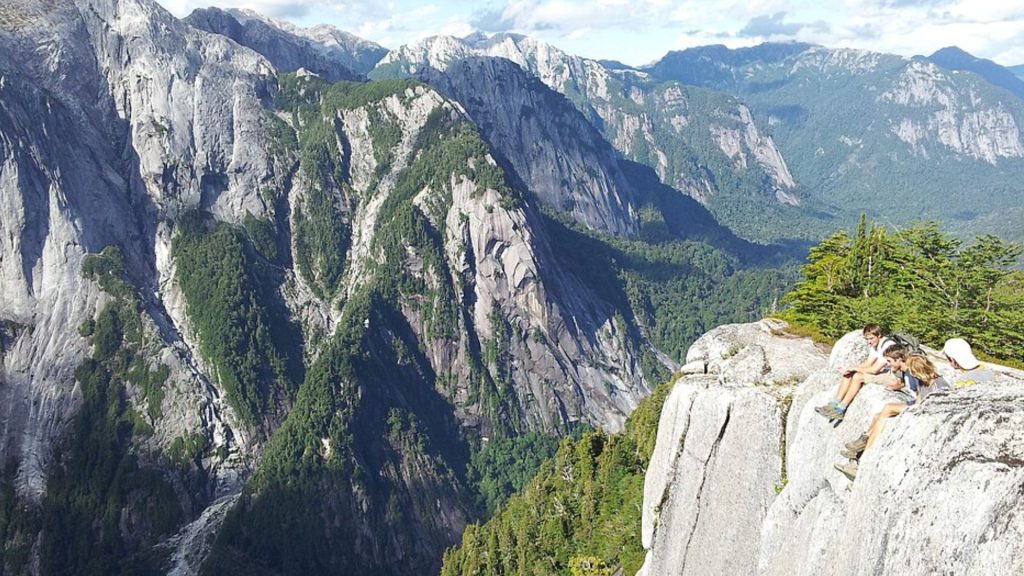
Hemmed in by near-vertical granite rock walls that soar more than a kilometer into the sky, the Cochamó Valley in Northern Patagonia is home to ancient alerce forests bisected by unspoiled rivers.
Condors soar past cascading waterfalls and endangered deer graze on the lush valley floor, with human presence limited to isolated homesteaders and a maximum 15,000 tourists per year.
Activists have long strived to protect this precious area of wilderness from development and exploitation. Commercial logging operations, luxury holiday home developments and a hydroelectric energy project have all been stopped in recent years.
Earlier this month, a coalition of grassroots campaigners and international non-profits led by Puelo Patagonia secured the region’s biggest conservation win to date: The $63m purchase of 133,000 hectares of Cochamó Valley wilderness which will help ensure it remains protected for generations to come.
“This is a historic milestone not only because of the size of the protected area, but also because of how it was achieved: with participation, transparency, and deep respect for the communities that live in Cochamó,” said Andrés Diez, executive director of Puelo Patagonia.
Purchase of the land – more than 20 times the area of Manhattan Island – was made possible by support from thousands of donors worldwide and from organizations including the James M Cox Foundation, the Wyss Foundation, and Holdfast Collective (the non-profit owner of outdoor clothing company, Patagonia).
“The Cochamó Valley is one of the most breathtaking places on Earth, and its protection is a victory for the Chilean people, wildlife, and the planet,” said Molly McUsic, President of the Wyss Foundation.
“This collaborative effort will help ensure future generations can experience and be inspired by this remarkable stretch of land.”
The title deeds have been handed over to Chilean NGO Fundación Conserva Puchegüín, which will take over day-to-day management of the protected area.
With local community engagement at the heart of the plans, zoning will be developed to set aside around 15% of the land for sustainable tourism and small-scale ranching while the remaining 85% will be strictly protected.
Described by Cox Enterprises chief executive Alex Taylor as the “spiritual center of the universe from a forest biodiversity standpoint,” the land will also now remain permanently protected even if ownership changes hands thanks to new environmental legislation recently passed by Chile’s government.