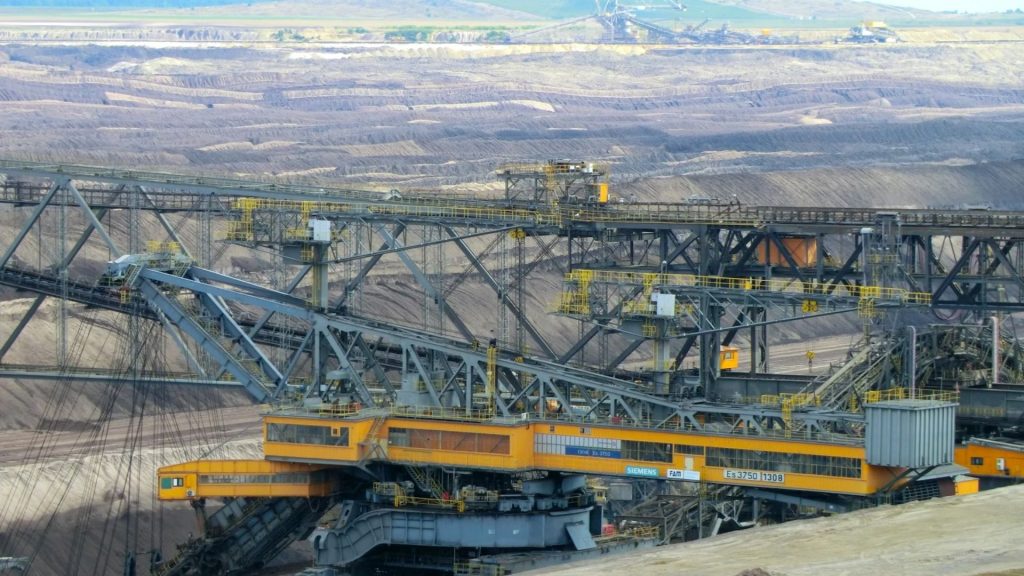
Operations at one of Germany’s largest opencast coal mines will be wound down three years earlier than planned.
Energy company Leag, which runs the Welzow-Süd opencast mine in eastern Germany, says that the increased share of alternative energy sources in the overall mix means continuing to extract lignite at the site is no longer economically viable beyond 2030.
Lignite coal is considered the lowest quality coal and the most damaging to human health. Its relatively low carbon content means that, relative to other types of coal, it produces less heat when burned for the amount of sulfur and carbon dioxide released.
The decision to shutter Welzow-Süd early represents part of Leag’s larger strategic transformation away from coal mining and toward renewable power, battery storage and hydrogen.
This shift has been necessitated in part by recent amendments to Germany’s Renewable Energy Sources Act (EEG).
Introduced in 2000, the latest update to the EEG makes prioritizing renewable energy development a ‘basic principle’, provides incentives for accelerated development of onshore wind energy, and sets a new target of renewables covering 80% of gross nationwide energy consumption by 2030.
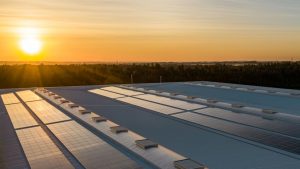
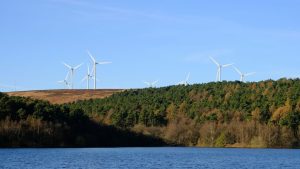
Leag plans to have installed seven gigawatts of renewable energies by the end of this decade and is investing in a range of renewable power generation and storage technologies which it hopes will make “electricity from sun and wind available around the clock, whether in summer or winter”.
The share of energy generated by wind and solar in Germany has increased from just 2% when the EEG was introduced in 2000 to 45% in 2025 (well above the EU average of 30%).
With 59% of its overall power generation now coming from clean sources, Germany is not far behind the overall EU average (71%) despite its exit from nuclear energy – which generates more than 20% of the EU’s total energy supply.